
a mixture of various things
slaking my bloodlust with romance novels remains legal

COMPOST, n. In very important word news, a few weeks ago my child (now 4, but he was 3 at the time) asked "Why is it called 'compost' if there isn't a post in it?" He's thinking about morphemes! I kvelled.
Answer: "compost" comes from Latin compositum, meaning a mixture of various things. "Post" is from Latin postis, meaning a post. Both words arrived in English via French, but other than that, they're not related.
I assumed compost/compositum was connected to compose or decompose, but the OED has corrected me:
Through form-association with inflections of Latin ponere, posui, past participle positum, postum, Italian posto, Old French post, pos, and contact of sense, this ‑poser came to be treated as a synonym of Old French ‑pondre, and finally took its place in the compounds, so that composer to compose is now used instead of compondre to compone, compound, and naturally associated with compositor, composition, compost, etc., with which it has no connection in origin.
I feel good about that, actually. I assumed compost and compose were related, and basically so did everyone else, and by collective action we have made it true.
There still isn't a post in compost, though. Not unless you put one in the pile yourself.
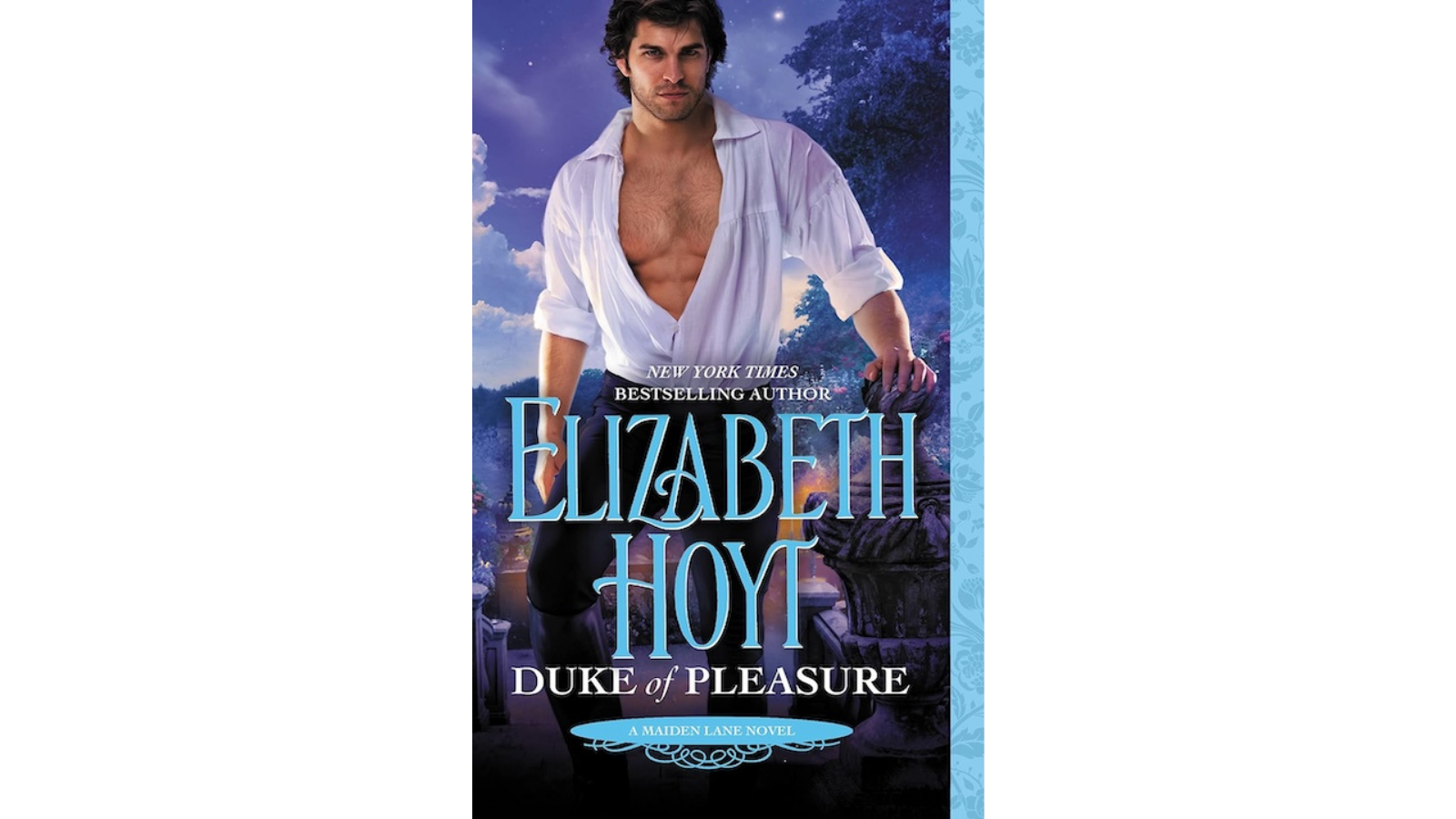
And in small-r romance, I recently read Duke of Pleasure (m/f, both cis and het??, historical, library ebook) by Elizabeth Hoyt. This is an entry in Hoyt’s long-running Maiden Lane series, set in 18th-century London, featuring obscene wealth, even more obscene poverty, masked sword-wielding vigilantes, and evil child-sex-trafficking conspiracies of rich men. I suspect Hoyt did not intend the latter element to mirror the real world quite so closely. I suspect, in fact, that she meant her villains to be so outrageously evil that readers would root for their slaughter, which, well… Nobody in the real world is dressing in harlequin motley and unsheathing their twin swords at Larry Summers. Slaking my bloodlust with romance novels remains legal for the moment, though it does feel a little hollow. Anyway, all that to say caveat lector: you might not be in the mood to read about very real villains and very fictional heroes.
Regarding the rest of Maiden Lane, I have read several books in the series, chaotically out of order, and have previously reviewed Wicked Intentions (book 1). I thought I’d reviewed four or five others, but alas, at one point I wrote in this newsletter “I documented my reading of Thief of Shadows (m/f, both cishet, historical) pretty extensively on twitter and I’m too tired to rehash it with actual paragraphs.” Famous last words. Forget it, man, those tweets are gone.
But we are here to talk about Duke of Pleasure (2016), which I read as part of my little side quest to explore genderbending in historical romance. Maiden Lane, as a series, is rife with the sort of garden-variety gender essentialism found all over historical romance: “her feminine part,” “his manhood,” etc. This book stars Alf, an urchin from St. Giles who spends every day selling secrets and every night in harlequin motley as the legendary swashbuckling “Ghost of St. Giles,” anonymously chasing down bad guys. Most everyone thinks Alf is a boy, but as you’ve probably already guessed, Alf is a girl.
Duke of Pleasure operates a little differently than some of the other books I’ve read for this project. As a counterexample, Duchess by Night (2008) by Eloisa James stars a woman who dons breeches as an adult, for a lark, and discovers that she really loves being a man. This is, I think, the more classic iteration of heroine-in-pants: the yearning is transmasculine. Harriet wants to be Harry. (At least for the fun part of the book.) Similarly, in My Beautiful Enemy (2014) by Sherry Thomas, Ying-ying dresses a man by choice and enjoys the freedom it grants her in her travels and spy intrigues (though its quotient of transmasculine yearning is significantly lower than Duchess by Night).
Meanwhile, in Duke of Pleasure, Alf has been living as a boy since she was five years old or even younger. This identity has been imposed on her from outside, as a safety precaution by her adoptive older brother, who emphasizes to her that she’ll be in peril if anyone in their gang of thieves or the brutal world of St. Giles ever finds out her secret. Alf lives this way her whole life, terrified of being discovered, even as she longs for pretty dresses and to be perceived as a woman. Forget, for a second, the question of bodies and parts. We have here a character who has always dressed in breeches, who harbors a secret, powerful wish for skirts. The yearning is transfeminine. Alf is a trans girl.
I don’t mean to give credit where it isn’t due; this book is still full of cissexism. If you want real trans historical romance, it exists! If you want to read a trans author playing with these same secret-identity, costume-change tropes and really getting into the gender of it all, A Lady for All Seasons by TJ Alexander is perfect. But you’re got plenty of other options for trans characters in history: A Shore Thing by Joanna Lowell, A Lady for a Duke by Alexis Hall, A Bloomy Head by J. Winifred Butterworth, or—to bring things into the 20th century—The Companion by EE Ottoman.
But isn’t it interesting, the prevalence of crossdressing in ostensibly cishet historical romances? And how it’s always accompanied, one way or another, by powerful yearning for something beyond the strictures of society? Even in books that try to force our heroes back in their boxes, all characters within norms again at the end, you can’t ever fully stamp out that spark. Trans liberation makes everybody freer.
That's all for this time! I'll be back in your inbox on May 10.
Word Suitcase is a free newsletter about words and books. If you enjoyed this one, subscribe by email or RSS for the next one. If you know somebody who'd like reading these, please pass it along!
Websites do cost money, so there is a paid subscription option and a tip jar for one-time donations. If you feel moved to support me, I’m very grateful. But please don’t feel obligated. I love having you as a reader either way.